




Breaking ground on your first commercial building project is exciting, but it can also feel like walking through a minefield of hidden costs. Between site work, permits, materials, and equipment, the budget line items multiply fast, and many first-time developers only discover the gaps once invoices start arriving. The good news is that most nasty surprises follow predictable patterns, which means you can plan around them. This guide walks through the major cost categories that trip up new commercial builders, so you can build a realistic budget from day one.
Assessing the Site Before You Finalize Any Numbers
Every commercial budget should start with a thorough site assessment, because what lies beneath your property can quietly determine whether your project stays on budget or spirals out of control. Soil conditions, old foundations, buried debris, and utility lines all affect how much site prep will actually cost. A geotechnical survey typically runs $3,000 to $15,000 depending on site size and complexity, which is a small price compared to discovering unsuitable soil after the concrete trucks are already scheduled. Skipping a proper geotechnical survey to save a few thousand dollars upfront often backfires once excavation begins and unexpected obstacles surface. Expansive clay soils can demand deeper foundations or soil stabilization work costing tens of thousands of dollars. High water tables may require dewatering systems or redesigned drainage plans, while old building footings or underground tanks left by previous owners can add weeks of unplanned demolition and disposal costs. Beyond soil, a full site assessment should also map existing utility lines, easements, and access restrictions that could affect construction sequencing. Environmental factors matter too — a Phase I Environmental Site Assessment can flag contamination risks before you’re legally and financially on the hook for remediation. Zoning setbacks, floodplain designation, and neighboring property lines are worth confirming early, since a survey error here can force a costly redesign later. A realistic budget treats site investigation as non-negotiable, not optional. Build the cost of surveys, soil borings, and environmental reports into your pre-construction line items rather than treating them as afterthoughts, and set aside a contingency fund specifically for site-related surprises that even good testing can’t fully rule out.
One of the most overlooked line items during site assessment is the condition of underground utilities, particularly sewer connections. Many older commercial lots still run on clay or cast-iron laterals installed decades ago, and a simple camera inspection can reveal cracking, offset joints, or root intrusion long before you break ground. If those issues turn up, sewer lateral repair can become a mandatory expense before construction even begins, sometimes running anywhere from $3,000 for a localized fix to $25,000 or more for a full trenchless replacement depending on depth and pipe length. It’s worth requesting utility locates and a scope inspection as part of your due diligence, not as an afterthought once permits are already filed. Water lines, gas connections, and stormwater drainage deserve the same scrutiny, since any one of them can trigger unexpected excavation costs or municipal upgrade requirements. Budgeting a contingency specifically for utility surprises, typically 5-10% of your total site prep budget, protects you from having to halt work mid-project while waiting on emergency funding approval. That pause is often more costly than the repair itself, since idle crews, delayed inspections, and rescheduled subcontractors all add expenses that never show up on the original estimate.
Choosing Equipment That Matches Your Project Scope

New commercial builders often assume they need to purchase heavy machinery outright, when in reality renting equipment for the duration of the project is usually far more cost effective. Buying an excavator, boom lift, or skid steer ties up capital that could otherwise go toward materials or labor, and it leaves you responsible for maintenance, storage, and resale once the project wraps. Renting shifts that burden to the supplier and lets you upgrade or downsize equipment as the job progresses. Matching equipment to the actual scope of work prevents you from paying for capability you don’t need or, worse, under-equipping your site and slowing progress. A small retail buildout might only require a compact track loader and a scissor lift for a few weeks, while a multi-story office project could need a tower crane, telehandlers, and multiple generators running for months. Renting the wrong size equipment, either too small to handle the load or too large for the space, wastes money either way, whether through inefficiency or unnecessary rental fees. Talk with your contractor early about what machinery the job realistically requires so you’re not guessing at capacity. Ask them to break down equipment needs by project phase, since site prep, foundation work, and finishing stages typically call for different machinery. It’s also worth discussing rental terms upfront, including daily versus monthly rates, delivery and pickup fees, and what happens if a project delay extends your rental period longer than planned.
For grading, trenching, and foundation work, excavator rental is typically one of the most economical choices available to first-time developers. Renting allows you to select the right size and attachment for each phase of the project without tying up capital in equipment that will sit idle once site work wraps up. A compact 3-4 ton excavator might handle utility trenching and tight urban lots, while a 20-ton machine is better suited to deep foundation excavation or moving large volumes of material quickly. Matching the equipment to the actual scope also means paying attention to attachments — buckets, augers, breakers, and grading blades — since renting the wrong configuration can slow your timeline just as much as renting the wrong size machine. Many rental companies offer swap-out options mid-project, which is worth negotiating upfront if your scope includes multiple phases of site work. Be sure to get quotes that include delivery, fuel, and operator costs, since these add-ons are frequently left out of initial estimates and can quietly inflate your final bill. Delivery and pickup fees alone can run several hundred dollars depending on distance, and operator costs — if you’re not self-performing the work — can add $50 to $150 per hour on top of the base rental rate. It’s also worth clarifying who bears responsibility for fuel: some rental agreements require you to return the machine full, while others bill you a flat refueling surcharge that’s rarely in your favor.
Planning for Waste Removal From Day One
Construction generates far more debris than most first-time builders expect, and waste removal costs add up quickly if they aren’t planned for in advance. Concrete, drywall scraps, packaging, and old fixtures all need somewhere to go, and hauling costs vary depending on volume and material type. A dumpster rental arranged before demolition begins keeps your site organized and avoids the scramble of last-minute waste removal requests that often come with rush fees.
It helps to estimate your waste volume based on the size and scope of the project rather than guessing, since undersized containers lead to repeated pickups and higher costs over time. Ask your waste hauler about weight limits too, because exceeding them typically triggers additional charges that aren’t always obvious on the initial quote.
- Request pricing based on both volume and weight limits, not just container size
- Schedule pickups around major demolition or framing milestones
- Separate recyclable materials where possible to reduce disposal fees
- Confirm permit requirements if the container will sit on a public street
Providing Facilities for Your Construction Crew
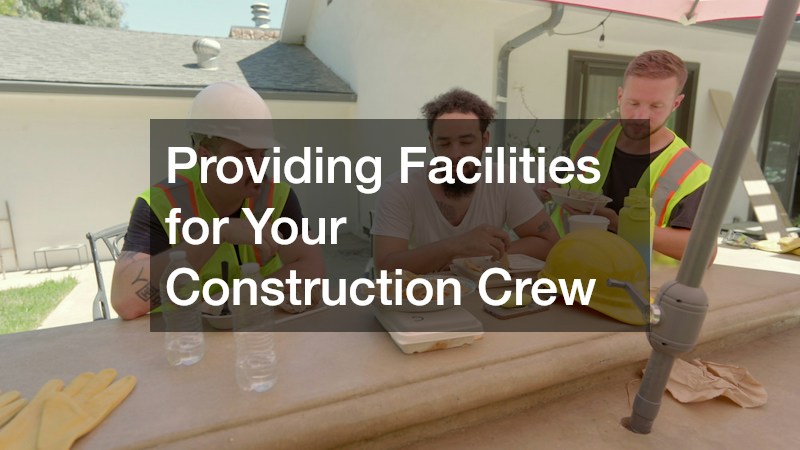
A functioning job site needs more than materials and machinery, it needs basic facilities for the people doing the work. Restroom trailer rental is a practical solution for sites without immediate access to indoor plumbing, and it’s one of those line items new builders sometimes forget to include in early budgets. Failing to provide adequate facilities can slow down productivity and even create compliance issues depending on local labor regulations.
When budgeting for crew facilities, factor in servicing frequency, unit count based on crew size, and rental duration tied to your project timeline. Longer projects may qualify for better weekly or monthly rates, so it’s worth comparing short-term versus extended rental pricing before signing a contract.
Comparing Costs Between New Construction and Leasing
Before committing fully to ground-up construction, it’s worth running the numbers on whether leasing existing space might meet your needs at a lower upfront cost. Searching listings for office for lease in your target area can give you a useful cost benchmark, even if you ultimately decide to build. Comparing lease rates against your projected construction budget helps confirm whether new construction truly makes financial sense for your timeline and goals.
Many first-time commercial builders skip this comparison entirely and later wonder if leasing would have gotten them operational faster and cheaper. Even if you’re set on building, understanding local lease rates gives you leverage when discussing financing terms with lenders, since it demonstrates you’ve done your due diligence on alternative options.
Verifying Structural Materials Before You Commit to Pricing
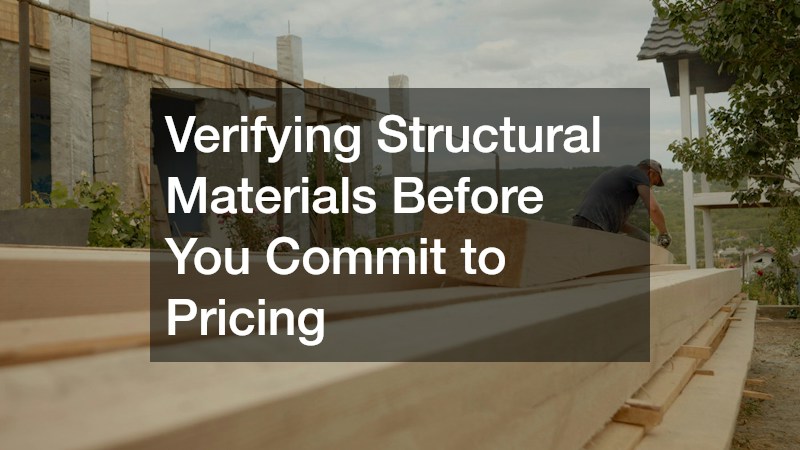
Material costs are one of the most volatile parts of any commercial budget, and structural components deserve extra scrutiny before you lock in a price. Roof metal decking is a common choice for commercial buildings because of its durability and fire resistance, but pricing can shift significantly based on steel market conditions. Getting a locked-in quote with a defined validity window protects you from last-minute price increases that can derail an otherwise solid budget.
It’s worth asking your supplier directly about lead times, since material shortages can delay installation and push back your entire construction schedule. A short delay in receiving structural materials often has a ripple effect on every trade scheduled after it, so building in a buffer for potential delivery issues is a smart move.
Selecting Building Systems That Reduce Long Term Costs
Your initial construction budget shouldn’t be the only number you’re thinking about, because the systems you choose now affect operating costs for years to come. Investing a bit more upfront in an efficient HVAC system, for example, can significantly reduce how often you’ll need air conditioning repair down the road. Cheaper systems installed to save money during construction often cost more over the building’s lifespan due to frequent breakdowns and higher energy bills.
Ask your mechanical contractor about warranty terms and expected service life before finalizing equipment selections, since a slightly higher purchase price often comes with better long-term reliability. Building a small maintenance reserve into your budget from the start also cushions you against the inevitable repair needs that come with any commercial property.
Understanding When You Need Specialized Lifting Support
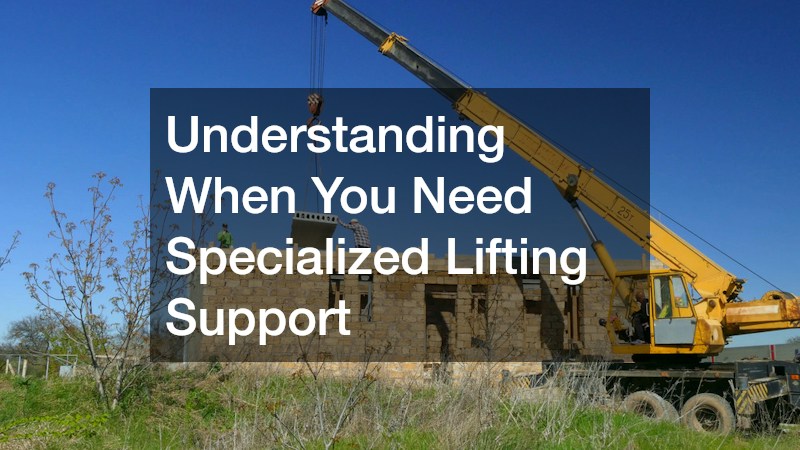
Certain commercial builds, particularly multi-story structures or those with large rooftop equipment, require lifting capabilities beyond what standard equipment can provide. Crane services are typically billed by time on site rather than a flat project rate, which means scheduling efficiency directly impacts your final cost. Coordinating crane use with other trades so the crane isn’t sitting idle, or worse, causing delays for other crews, is one of the simplest ways to control this expense.
Because crane scheduling often depends on weather and site access, it’s smart to build a little flexibility into your timeline rather than booking the tightest possible window. Confirm permit requirements for street closures or overhead clearance well in advance too, since last-minute permitting issues are a common cause of costly rescheduling.
Researching Local Builders and Their Track Records
Whether you’re constructing a small retail space or a larger commercial facility, the contractor you choose has more influence over your final cost than almost any other decision. Some home builders who typically focus on residential work do take on light commercial projects, but it’s worth confirming they have direct experience with commercial code requirements before hiring them. A contractor unfamiliar with commercial permitting and inspection processes can introduce delays that translate directly into budget overruns.
Ask any prospective contractor for references from similarly scaled commercial projects, not just residential ones, so you can gauge their actual experience level. Reviewing past project timelines and asking how they handled unexpected costs on previous jobs will tell you a lot about how they’ll manage your budget if surprises arise.
Factoring in Modern Materials and Fabrication Methods
The construction industry has changed considerably in recent years, and staying informed about newer materials can actually help control costs rather than add to them. Facilities that rely on cutting edge manufacturing techniques for prefabricated components can often produce structural elements faster and with tighter tolerances than traditional on-site fabrication. This can shorten your construction timeline, which in turn reduces labor costs and financing carrying costs tied to a longer build schedule.
Ask your architect or contractor whether any parts of your project are good candidates for prefabrication, since not every component benefits equally from this approach. Weighing the upfront cost of prefabricated elements against the labor and time savings they provide will help you decide where this strategy makes the most financial sense for your specific build.
Budgeting for a first commercial build comes down to asking the right questions early and building in realistic contingencies rather than hoping for the best. Every category covered here, from site work to equipment to long-term building systems, represents a place where costs commonly hide if you’re not looking closely. Sit down with your contractor and financial advisor before breaking ground, and walk through each of these categories line by line. The time you invest in thorough planning now is the surest way to keep your project on budget and free of nasty surprises later.