





Managing an apartment community involves much more than collecting rent and responding to resident requests. Property managers are responsible for maintaining buildings, common areas, parking facilities, landscaping, security, and essential systems while coordinating vendors and keeping residents informed. A structured maintenance checklist can help management teams stay organized, identify problems before they become expensive repairs, and create a safer and more functional environment for residents.
Apartment maintenance also changes throughout the year. Seasonal weather, resident turnover, property improvements, and unexpected repairs can all affect the services a community needs. By establishing a regular schedule and tracking work as it is completed, property managers can better manage operating costs and reduce the likelihood of neglected maintenance.
The following checklist covers several of the outside services and routine maintenance tasks that can help apartment communities remain clean, safe, functional, and prepared for resident needs.
Establish a Regular Property Inspection Schedule
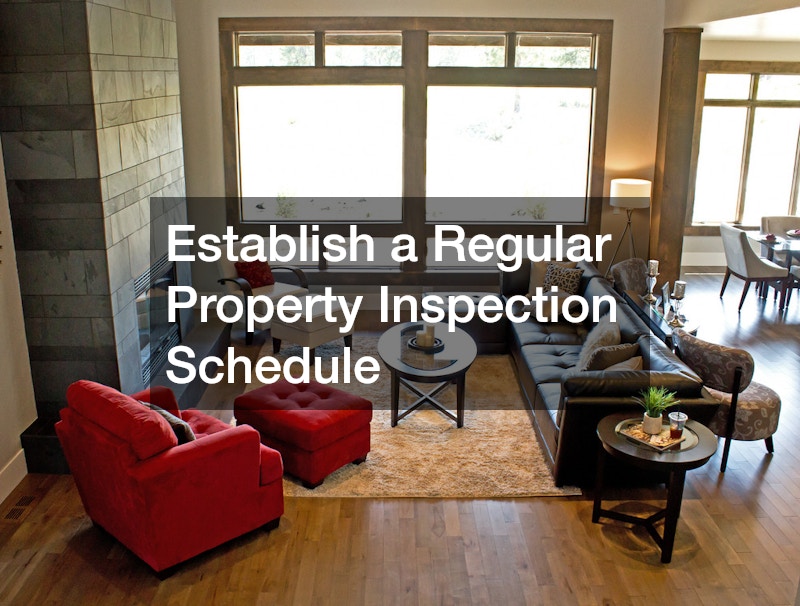
Routine inspections give property managers an opportunity to identify maintenance concerns before they develop into larger problems. Inspections should cover individual units, common areas, building exteriors, parking facilities, mechanical rooms, landscaping, lighting, and other shared spaces.
A property manager can establish daily, weekly, monthly, and seasonal inspection schedules. Daily checks might focus on visible issues such as overflowing trash containers, damaged lighting, blocked walkways, or water leaks. Weekly inspections can involve common areas and exterior grounds, while monthly reviews can provide a more comprehensive assessment of the property’s condition.
Managers should document inspection findings and assign each issue a priority. Safety concerns and problems that could cause significant property damage should receive immediate attention. Less urgent cosmetic issues can be incorporated into a scheduled maintenance plan.
Keeping detailed records also makes it easier to monitor recurring problems. If the same issue appears repeatedly, management may need to investigate its underlying cause rather than continuing to address individual incidents.
Maintain Outdoor Areas Throughout the Year
Well-maintained outdoor spaces affect how residents and visitors experience an apartment community. Grass, trees, shrubs, flower beds, sidewalks, and recreational areas should be included in the property’s maintenance schedule.
Regular landscaping can involve mowing, pruning, irrigation checks, seasonal planting, leaf removal, and the care of common outdoor areas. Managers should establish clear expectations with vendors regarding service frequency and the condition expected after each visit.
Trees deserve additional attention because damaged or diseased branches can create safety concerns, particularly during storms. Property teams should monitor trees for dead limbs, structural damage, disease, and growth that interferes with buildings or utility lines. When a tree presents a significant hazard or cannot be maintained safely, professional tree removal may be necessary.
Seasonal weather should also influence outdoor maintenance. Spring can bring rapid vegetation growth and increased demand for lawn care, while summer heat may require closer monitoring of irrigation systems. Fall maintenance can include clearing leaves and preparing plants for colder temperatures.
Keep Waste Management Organized
Apartment communities generate a substantial amount of household waste, particularly in properties with high occupancy or frequent resident turnover. Property managers should regularly inspect waste collection areas and make sure containers are appropriately sized for the community.
A dumpster rental may be useful during apartment renovations, large-scale cleanouts, landscaping projects, or periods when regular waste capacity is insufficient. Managers should coordinate delivery and pickup schedules carefully to prevent containers from blocking parking spaces, sidewalks, or emergency access routes.
Waste areas should also be inspected for spills, odors, pests, illegal dumping, and damaged containers. Clear signage can help residents understand what materials belong in designated containers and whether special arrangements are required for large items.
During move-out periods, waste volumes can increase considerably. Establishing procedures for furniture, appliances, construction debris, and other oversized items can help prevent accumulation around collection areas.
Review Building Security Measures
Resident safety is an important consideration for apartment management teams. Security procedures should be reviewed regularly, particularly when there are changes to access systems, lighting, gates, surveillance equipment, or property layouts.
Some communities may use security guard services to provide a visible presence, monitor entrances, respond to incidents, or support special events and high-traffic periods. The appropriate level of security depends on factors such as property size, location, access points, resident needs, and existing security infrastructure.
Managers should also inspect exterior lighting, door locks, gates, cameras, intercom systems, and emergency communication equipment. Broken or poorly positioned lights can create areas that are difficult to monitor, while malfunctioning access systems can affect both security and resident convenience.
Security procedures should be documented so staff members understand how to respond to emergencies, suspicious activity, unauthorized access, and other incidents. Residents should also receive clear information about property rules and appropriate ways to report concerns.
Keep Shared Spaces Presentable
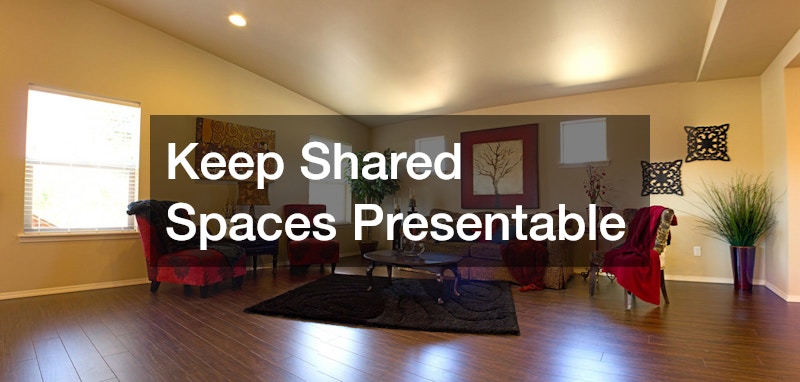
Common areas receive frequent use and can quickly show signs of wear. Apartment managers should establish maintenance routines for lobbies, hallways, elevators, fitness centers, community rooms, leasing offices, laundry rooms, and other shared facilities.
Commercial window cleaning can help maintain exterior and interior glass in common areas, particularly in larger communities with extensive windows. Clean windows can improve visibility and contribute to the overall appearance of shared spaces.
Managers should also inspect walls, flooring, ceilings, doors, handrails, furniture, and fixtures for damage. Small repairs can often be addressed during routine maintenance visits rather than waiting until an issue becomes more noticeable or expensive.
Cleaning schedules should account for the amount of traffic each facility receives. High-use spaces may require more frequent attention than areas that residents visit less often.
Manage Parking Areas and Access
Parking can become a significant source of resident complaints when spaces are limited or improperly used. Property managers should establish clearly communicated parking rules covering assigned spaces, visitor parking, loading areas, accessible spaces, abandoned vehicles, and unauthorized parking.
A parking enforcement service may be used by some apartment communities to help enforce established policies. If an outside provider is involved, management should ensure residents understand the rules, enforcement procedures, and appropriate contact channels.
Parking lots should also be inspected regularly for potholes, cracks, faded markings, drainage problems, damaged curbs, and inadequate lighting. Managers should document deterioration so repairs can be scheduled before problems become more extensive.
After severe weather, additional inspections may be necessary. Heavy rain can expose drainage problems, while freezing temperatures can worsen existing cracks and potholes. Maintaining a record of recurring parking-lot issues can help property owners plan larger improvement projects.
Address Pavement and Exterior Repairs
Driveways, parking areas, sidewalks, and access roads experience constant exposure to vehicles and weather. Over time, water infiltration, temperature changes, vehicle traffic, and natural deterioration can damage paved surfaces.
Apartment managers should periodically assess whether repairs can be handled through routine maintenance or whether a larger contractor should be brought in. Asphalt companies can evaluate deteriorated pavement and recommend appropriate repair or resurfacing options.
Cracks should not automatically be ignored because small areas of deterioration can expand when water enters the pavement. Likewise, potholes should be addressed promptly because they can damage vehicles and create trip hazards.
Managers should maintain records of completed pavement work, warranties, and recommended inspection intervals. Coordinating pavement projects with other exterior work may also reduce disruption to residents and help management avoid repeatedly closing portions of the property.
Prepare for Resident Move-Ins and Move-Outs

Resident turnover creates a unique set of maintenance demands. When a tenant leaves, management typically needs to inspect the unit, document its condition, arrange cleaning or repairs, and prepare the space for the next occupant.
Property managers can coordinate with moving companies when residents require assistance with relocation or when large-scale move-in and move-out activity affects the community. Establishing designated loading areas and move-in procedures can reduce congestion and help protect hallways, elevators, doors, and other shared property.
Management should also schedule unit inspections as soon as practical after a resident vacates. Common tasks may include repairing drywall, replacing damaged fixtures, checking appliances, testing smoke detectors, changing filters, addressing plumbing problems, and inspecting flooring.
A standardized turnover checklist can make the process more consistent. Each unit should be evaluated against the same basic criteria, while documented damage or unusual conditions should be recorded separately.
Keep Heating and Cooling Systems Functional
Heating and cooling equipment requires regular attention because failures can quickly become uncomfortable for residents and potentially damage property. Preventive maintenance can help identify worn components, airflow problems, clogged filters, electrical concerns, and other issues.
An air conditioning service may be necessary for troubleshooting, repairs, seasonal inspections, or equipment replacement. Property managers should maintain records of service calls and equipment history so recurring problems can be identified.
Filters should be replaced according to the manufacturer’s recommendations and property requirements. Outdoor units should remain clear of debris, vegetation, and other obstructions that could interfere with airflow.
Seasonal inspections are particularly important before periods of heavy use. Preparing cooling systems before summer and heating systems before winter can give management more time to address problems before demand increases.
Managers should also maintain procedures for emergency HVAC complaints. Clear communication with residents about reporting procedures can help maintenance teams respond more efficiently when equipment stops working.
Maintain a Proactive Pest Prevention Program
Pest problems can affect resident satisfaction and may become more difficult to control when they are not addressed promptly. Preventive maintenance should focus on sanitation, moisture control, building conditions, and regular inspections.
Professional pest control can be scheduled according to the property’s needs and local conditions. Managers should also pay attention to potential entry points, standing water, damaged screens, gaps around pipes, and areas where food or waste may accumulate.
Residents can contribute to prevention by properly storing food, disposing of garbage, reporting leaks, and notifying management when they notice signs of pest activity. Written guidance can help residents understand which issues they are responsible for addressing and which should be reported to management.
When a pest complaint is received, property staff should document the location and nature of the issue. Prompt reporting can help determine whether the problem is isolated to one unit or potentially affects multiple areas of the building.
Coordinate Vendors and Maintenance Records
Apartment management often requires several contractors to work on the same property. Without a central system for scheduling and documentation, important tasks can be overlooked.
Managers should maintain a vendor list that includes contact information, service agreements, insurance documentation, licenses where applicable, emergency contact details, and the scope of each contractor’s responsibilities.
Maintenance records should include the date of service, work performed, materials used, identified problems, and recommended follow-up. Digital property management systems can make it easier to organize work orders and monitor outstanding requests.
Vendor performance should also be reviewed periodically. Management teams can evaluate whether contractors arrive as scheduled, complete work properly, communicate effectively, and provide documentation when required.
Create a Seasonal Maintenance Calendar
A seasonal calendar can turn a long maintenance checklist into a manageable schedule.
During spring, managers can focus on landscaping, exterior inspections, drainage, pest prevention, and preparation of air conditioning equipment. Summer can bring increased attention to irrigation, cooling systems, outdoor amenities, and tree conditions.
Fall is an appropriate time to inspect roofs, gutters, pavement, lighting, windows, and heating systems. Managers can also prepare landscaping for colder weather and address exterior problems before winter conditions make repairs more difficult.
Winter maintenance may focus on heating systems, ice and snow procedures, emergency response plans, plumbing concerns, and indoor common areas. Properties in regions with freezing temperatures should also monitor exposed pipes and other vulnerable infrastructure.
The calendar should remain flexible because weather, emergencies, construction, and resident needs can change priorities.
Make Safety and Documentation Ongoing Priorities
An effective apartment maintenance program is not simply a list of tasks completed once a year. It is an ongoing process involving inspections, preventive care, vendor coordination, resident communication, and documentation.
Property managers should prioritize issues based on safety, urgency, potential property damage, resident impact, and cost. Routine maintenance can then be scheduled around those priorities instead of being handled only after something breaks.
Clear records are equally important. Documentation can help management track recurring repairs, compare vendor performance, plan capital improvements, and demonstrate that maintenance concerns are being addressed consistently.
Ultimately, a comprehensive maintenance checklist gives apartment management teams a practical framework for keeping properties operational and addressing issues before they escalate. By combining regular inspections with seasonal planning and reliable vendor coordination, managers can create a more predictable maintenance process while supporting the safety, comfort, and day-to-day experience of residents.