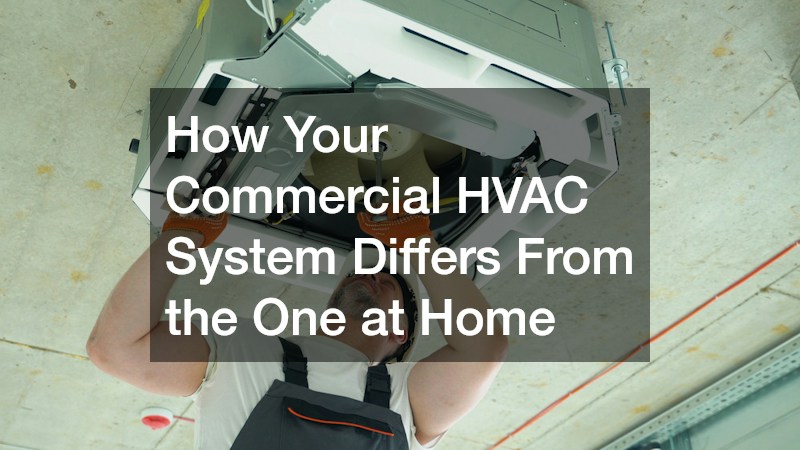





Heating and cooling systems serve the same basic purpose whether they are installed in a house or a commercial building. Both regulate indoor temperatures, circulate air, and help create a comfortable environment for occupants. However, the equipment used to condition a large office, retail store, restaurant, warehouse, or other commercial property can be significantly different from a typical residential system.
Commercial systems often have to serve larger spaces, accommodate more people, and respond to changing demands throughout the day. Those requirements affect everything from equipment size to maintenance.
A commercial HVAC contractor can evaluate these more complex systems and help building owners determine what equipment, repairs, or maintenance their properties require.
Commercial Systems Usually Have Greater Capacity
One of the most noticeable differences between residential and commercial HVAC equipment is capacity. A residential system generally needs to maintain comfortable temperatures for a relatively limited amount of square footage. Commercial buildings can be substantially larger and may contain many separate rooms or open spaces.
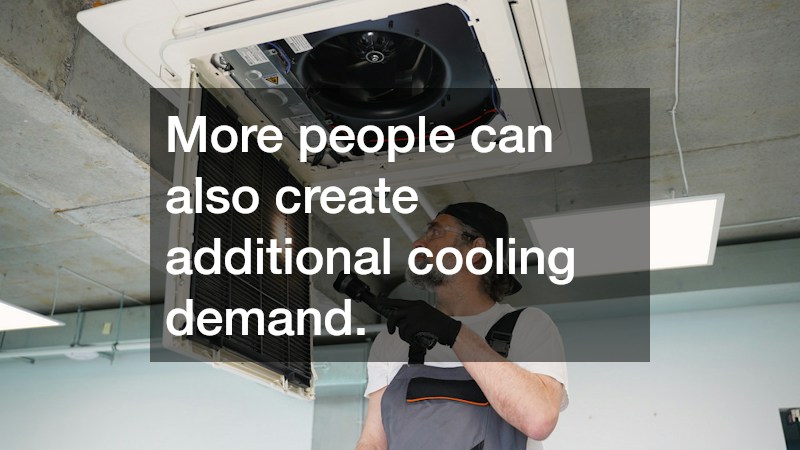
More people can also create additional cooling demand. A busy restaurant, for example, may have employees, customers, cooking equipment, lighting, and appliances all generating heat at the same time.
Commercial equipment must be designed around these larger and sometimes highly variable loads. Simply installing an oversized residential system would not provide the same capabilities as equipment specifically designed for commercial use.
Equipment May Be Located on the Roof
Residential air-conditioning systems commonly have outdoor units installed beside the house. Commercial buildings frequently use packaged rooftop units instead.
Rooftop placement can help preserve valuable ground space around a commercial property. It may also allow technicians to access equipment without performing maintenance in areas occupied by customers or employees.
However, rooftop equipment faces constant exposure to outdoor conditions. Sunlight, rain, wind, debris, and changing temperatures can all affect the system over time. Regular inspections can help identify weather-related deterioration or other developing problems.
Commercial Buildings Often Use Multiple Zones
A house may have one thermostat controlling most or all of the living space. Commercial properties frequently have more complicated temperature requirements.
Different areas of a building can experience very different heating and cooling loads. A conference room filled with people may require more cooling than an empty storage area. Rooms with large windows may receive significant heat from sunlight, while interior spaces experience different conditions.
Zoning allows an HVAC system to respond to these differences more effectively. Depending on the building, multiple thermostats, dampers, sensors, or separate pieces of equipment may be used to manage different areas.
Ventilation Requirements Can Be More Complex
Ventilation is important in both residential and commercial properties, but commercial buildings often have additional considerations because of their size and occupancy.
Offices, schools, restaurants, stores, and other businesses may accommodate large numbers of people throughout the day. Bringing outdoor air into the building and properly distributing conditioned air can therefore be an important part of system design.
Certain businesses may have specialized ventilation requirements as well. Restaurants need to manage heat, smoke, odors, and moisture generated by cooking equipment. Other commercial spaces may contain machinery or processes that affect indoor air conditions.
Commercial Systems Use More Complex Controls
A residential HVAC system can often be controlled using a single thermostat or a relatively straightforward smart-home system. Commercial HVAC controls can be considerably more sophisticated.
Larger properties may use building automation systems that coordinate heating, cooling, ventilation, schedules, and other equipment. These controls can allow property managers to adjust conditions based on operating hours or occupancy.
Automated controls may also provide information about system performance. When configured appropriately, this information can help facility managers recognize unusual operation or determine when equipment may require attention.
Maintenance Needs Can Be Different
All HVAC systems benefit from regular maintenance, but commercial equipment can have additional service requirements because of its size, operating schedule, and complexity.
Some commercial systems operate for long periods every day. Restaurants, healthcare facilities, retail stores, and other businesses may depend heavily on consistent temperature control. A breakdown can affect employees, customers, products, or normal operations.
Maintenance may include checking filters, belts, motors, electrical connections, refrigerant-related components, controls, drains, and other equipment. The exact tasks and maintenance schedule depend on the system.
Commercial Ductwork Can Be Much Larger
Ductwork distributes conditioned air throughout many residential and commercial buildings. In a commercial property, however, the duct system may cover considerably more space and serve numerous rooms or zones.
Large buildings require careful planning to distribute air effectively. Improper airflow can contribute to hot and cold spots, poor comfort, or unnecessary strain on equipment.
Commercial duct systems may also be exposed rather than concealed behind walls and ceilings, depending on the building’s design. Warehouses, restaurants, and modern offices sometimes intentionally incorporate visible ductwork into the interior.
Repairs Can Affect Business Operations
When a home air conditioner stops working, the household may be uncomfortable until repairs are completed. When a commercial system fails, the consequences can extend to an entire business.
Employees may have difficulty working comfortably, customers may leave sooner, and temperature-sensitive inventory or equipment could potentially be affected. For some businesses, even a relatively short HVAC interruption can become a significant operational issue.
This makes planning for maintenance and repairs especially important. Addressing unusual noises, inconsistent temperatures, rising energy use, or other warning signs early may help reduce the risk of an unexpected shutdown.
Commercial HVAC Requires Specialized Planning
Residential and commercial HVAC systems share many basic principles, but the scale and complexity of commercial buildings create different requirements. Larger capacities, zoning, ventilation, rooftop equipment, sophisticated controls, extensive ductwork, and demanding operating schedules can all distinguish commercial systems from those found in homes.
Because commercial properties vary considerably in size and purpose, there is no single system that works for every building. A qualified commercial HVAC contractor can evaluate the property’s layout, occupancy, existing equipment, and operating needs when recommending service or replacement options. Understanding these differences can also help property owners make more informed decisions about maintaining one of their building’s most important systems.