






Modern construction projects depend on careful planning long before excavation begins or building materials arrive on-site. Every successful development, from residential neighborhoods to major infrastructure projects, starts with a thorough understanding of the land and the conditions surrounding it. Without accurate data, even the most well-designed project can face unnecessary delays, safety concerns, and costly revisions.
That is why civil engineer surveyors play such a vital role throughout the construction process. Their expertise helps architects, engineers, contractors, and property owners make informed decisions based on precise measurements and reliable site information.
From the earliest planning stages through project completion, these professionals provide the foundation for successful construction.
Providing Accurate Site Data Before Construction Begins
Every construction project begins with gathering information about the property. Before designers can finalize plans, they need to know the exact boundaries, elevations, slopes, and existing features of the site. Surveying provides this essential data, ensuring that every stage of the project starts with accurate information rather than assumptions.
Small measurement errors can create significant problems later. A misplaced foundation, incorrect property line, or inaccurate elevation reading may require expensive corrections once construction is underway. By documenting the site’s existing conditions with precision, surveyors reduce the risk of these issues before they occur.
Accurate surveys also help identify potential obstacles that may influence design decisions. Drainage patterns, utility locations, easements, and natural terrain all affect how a project should be planned. Understanding these conditions early allows engineers and architects to develop solutions that work with the site instead of against it.
This level of precision supports better budgeting and scheduling as well. When project teams understand site conditions from the start, they can estimate costs more accurately and avoid many unexpected delays during construction.
Supporting Safe and Efficient Construction
Once construction begins, surveying continues to serve as a critical quality control measure. Surveyors establish control points and reference markers that guide contractors as they position foundations, roads, utilities, and structural components. These reference points ensure that every element is built in the correct location according to approved plans.
Construction projects involve many specialized trades working together over weeks or months. Accurate layout information keeps everyone aligned, preventing small mistakes from becoming larger structural problems. When crews know exactly where walls, columns, pipelines, and other features belong, the project progresses more efficiently with fewer corrections.
Safety is another important benefit of professional surveying. Proper measurements help maintain appropriate distances from neighboring properties, underground utilities, and existing infrastructure. Accurate site information also assists contractors in managing slopes, grading, and drainage, reducing hazards that could affect workers or the finished project.
Throughout the construction process, civil engineer surveyors often return to verify completed work against design specifications. These ongoing checks confirm that construction remains on track and that completed sections meet required tolerances before additional work proceeds.
Helping Projects Meet Legal and Long-Term Requirements
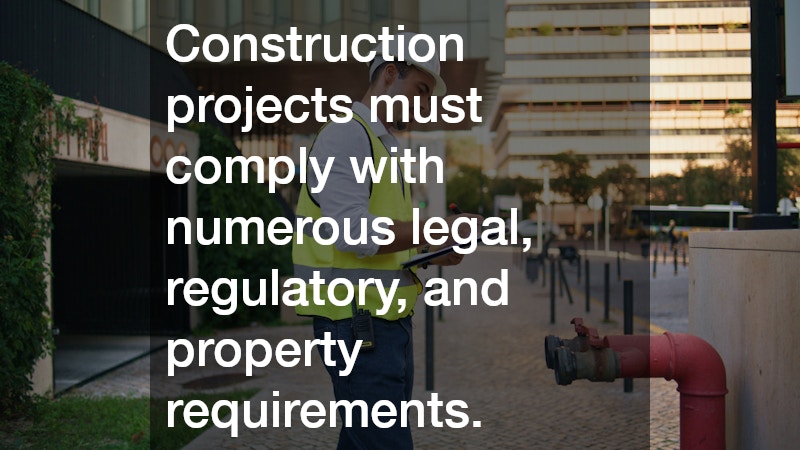
Construction projects must comply with numerous legal, regulatory, and property requirements. Surveying plays a key role in helping project teams satisfy these obligations while avoiding disputes and compliance issues.
Property boundary surveys help confirm ownership limits before construction begins. Building across a neighboring property line or within a restricted setback can create legal complications that are both expensive and time-consuming to resolve. Accurate boundary information protects property owners and contractors alike by ensuring that improvements remain within the correct limits.
Survey data is also valuable when obtaining permits and meeting local development regulations. Municipal agencies often require detailed site plans, elevation information, and documentation showing compliance with zoning, drainage, and infrastructure requirements. Reliable survey information supports these submissions and helps projects move more smoothly through the approval process.
The value of surveying extends well beyond project completion. Accurate records become important references for future maintenance, renovations, property transfers, and additional development. Years later, engineers and contractors can rely on documented survey information when expanding facilities, installing utilities, or making site improvements. Because of this lasting value, surveyors contribute not only to the success of today’s projects but also to the long-term management and development of the built environment.
As construction projects become increasingly complex, the need for dependable measurements and reliable site data continues to grow. By helping teams improve accuracy, enhance safety, reduce costly mistakes, and meet regulatory requirements, civil engineer surveyors remain an essential part of creating buildings, infrastructure, and communities that stand the test of time.