





Financial Flexibility
When it comes to managing finances for large construction projects, renting a crane offers significant financial flexibility. By opting to rent, companies can avoid the large capital outlays required to purchase a crane outright. This enables construction firms to allocate their financial resources more effectively, investing in areas that might offer a higher return. Moreover, renting minimizes the risk of financial strain, as there are no long-term commitments associated with crane ownership. Instead of being tied down with an expensive asset, companies enjoy the freedom to channel funds into other critical operational needs.
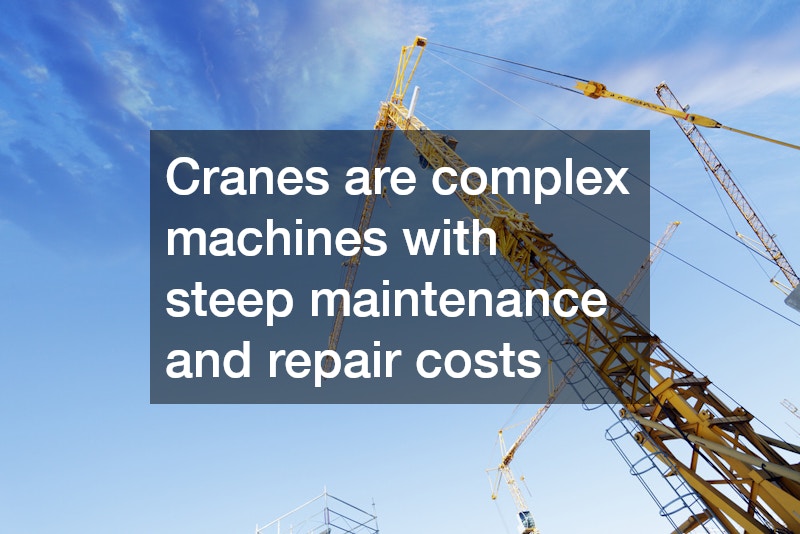
Cranes are complex machines with steep maintenance and repair costs, another reason renting is often more prudent. Numerous crane companies offer rental packages that include regular maintenance and immediate repair services, which save the renter from additional expenses. The costs associated with wear and tear or unexpected repairs are handled by the renting company, allowing for smoother financial planning. As part of the rental agreement, most crane companies ensure that the equipment is in optimal working condition. This aspect of renting substantially decreases unforeseen financial burdens on construction companies.
Aside from maintenance, depreciation is another financial consideration that can adversely affect owned equipment. Cranes, like any other heavy machinery, experience depreciation, reducing their resale value over time. Renting eliminates this concern entirely as the crane remains an asset of the rental company. Construction firms can thus focus on maximizing operational efficiency without worrying about asset depreciation. This further highlights the monetary flexibility provided by renting over purchasing.
Access to Modern Equipment
By choosing to rent rather than buy, companies gain access to the latest crane models and technology. Rental services often refresh their inventory to meet industry demands and safety standards, which means clients can benefit from cutting-edge technology. Access to the latest models enhances the efficiency and safety of the construction projects at hand. Older cranes may not meet the same standards and can create bottlenecks in project timelines and safety risks. By renting, construction companies can maintain competitive advantages, staying abreast of technological advancements without the steep purchase cost.
Furthermore, the rate at which technology evolves in the construction machinery industry cannot be overstated. Ownership of a crane could mean getting stuck with outdated technology while renting keeps you at the forefront of innovation. Companies that choose to rent can easily swap outdated models for newer ones, ensuring that performance, safety, and operational efficiency are optimal. The rental market adapts quickly to industry needs, providing a versatile and up-to-date fleet of cranes. This constant access to modern equipment translates to more competitive project bidding and completion capabilities.
In addition, crane companies frequently have a variety of models that cater to diverse project requirements. Instead of being limited by the capabilities of a single owned crane, renting offers an expansive selection to tailor-fit any project’s needs. This flexibility means construction firms are prepared to tackle a wide array of jobs without the initial investment in multiple crane types. Renting provides easy access to specific models, sizes, and functionalities that a particular job might demand. This modularity in equipment access ensures project goals are met efficiently and effectively.
Risk Management and Safety
With renting, operational and financial risks associated with crane ownership are considerably reduced. Rental companies typically handle logistical concerns, such as transportation, setup, and teardown of the crane. This involves thorough inspections and compliance with safety regulations, minimizing risk for construction companies. Renting ensures that safety standards are consistently upheld by professionals who specialize in crane operations. This delegation not only lessens the burden on construction managers but also mitigates the risk of accidents and workplace incidents.
Another critical aspect of risk management is the operational assurance provided by rental services. Responsible crane rental companies prioritize regular training and certification of operators as part of their service offerings. This guarantees that cranes are operated by skilled professionals who adhere to safety protocols. Construction projects benefit from this expertise without the need to invest in extensive in-house training programs. By ensuring that properly trained personnel handle their equipment, rental companies help project managers focus on broader objectives within the project’s scope.
Safety considerations extend to maintenance and mechanics, which are often covered by crane companies as part of the rental agreement. Regular and thorough maintenance from experienced technicians ensures that the equipment is safe for operation. Proper functioning of cranes is pivotal for timely completion and success of projects, and rental agreements stress the importance of operational efficiency. This proactive approach to risk and safety management enhances project timelines and reduces project downtimes, aligning client needs with the fluctuating business landscape.