





Building a home is more than just construction—it’s a reflection of your lifestyle, taste, and aspirations. For many homeowners, working with a custom home builder ensures that every detail, from the foundation to the finishing touches, aligns perfectly with their vision. Whether you’re considering a traditional or modular home, understanding the process and key services involved can make the journey smoother and more rewarding.
This guide will walk you through every step of building your dream home, highlighting essential professionals, including custom home builders, hardwood flooring services, bathroom remodeling companies, kitchen and bath remodelers, and residential siding companies.
Why Choose a Custom Home Builder?
A custom home builder specializes in designing and building homes tailored to homeowners’ preferences. Unlike production homes, where layouts and finishes are predetermined, custom homes allow for complete personalization—from the floor plan to the materials used.
Custom home builders provide guidance, coordinate with subcontractors, and manage the entire project timeline. This level of expertise ensures your home reflects your unique style while remaining structurally sound and efficient.
Some homeowners also consider a modular home, which offers pre-fabricated sections built off-site. While modular homes may have fewer customization options than a traditional custom home builder, they can significantly reduce construction time and cost.
Step 1: Planning Your Dream Home
Planning is the foundation of a successful build. Here’s what to consider:
Budgeting and Financing
Establishing a realistic budget is the first step. A custom home builder can provide cost estimates and help allocate funds for major components, including hardwood flooring service, kitchen remodeling, and bathroom upgrades. Financing options may include construction loans or traditional mortgages, depending on your project.
Choosing a Location
Your home’s location affects everything from design to resale value. Consider proximity to schools, workplaces, amenities, and neighborhood aesthetics. Areas near highly rated schools often attract families, boosting property values as demand increases. Similarly, a short commute to major workplaces can significantly enhance a home’s appeal, as it allows residents to save time and reduce stress. Access to amenities such as parks, shopping centers, and recreational facilities can elevate a neighborhood’s desirability, making it more attractive to potential buyers. Additionally, the neighborhood’s overall aesthetic—its landscaping, cleanliness, and community vibe—plays a crucial role in shaping residents’ lifestyle, further influencing both personal satisfaction and resale prospects.
Selecting a Style
Do you prefer a modern, traditional, or transitional design? Your choice will significantly influence the work of your custom home builders, setting the tone for everything from layout to exterior finishes, which are often the specialty of a residential siding company. A modern design typically emphasizes clean lines, minimalism, and a functional approach, often incorporating large windows and open spaces. This not only creates a sense of expansiveness but also allows for abundant natural light. On the other hand, a traditional design often features classic architectural elements, such as detailed moldings, warm color palettes, and cozy layouts that evoke a timeless charm. For those who appreciate elements of both styles, a transitional design strikes a perfect balance, blending modern simplicity with traditional warmth. This can create a unique aesthetic that feels both fresh and timeless. Understanding your design preferences is key, as they guide the styles, materials, and colors your builders choose, paving the way for a home that truly reflects your vision.
Step 2: Design and Architecture
Working closely with architects and custom home builders ensures your vision comes to life. During the design phase:
- Floor plans are drafted, balancing function and aesthetics.
- Room layouts, ceiling heights, and natural light are planned.
- Exterior materials, including siding options from a residential siding company, are chosen to match your home’s style.
Customization doesn’t stop there—interior finishes, cabinetry, flooring, and bathroom fixtures are all specified during this stage.
Step 3: Choosing a Modular Home or Traditional Build
A modular home is built in sections off-site and assembled on your lot. Benefits include:
- Shorter construction time
- Consistent quality control
- Potential cost savings
However, if you want complete control over materials, layouts, and design, working with custom home builders is often the better choice. Many builders offer hybrid solutions that combine modular construction for efficiency with custom touches for personalization.
Step 4: Selecting Your Key Contractors

Building a home involves more than the expertise of a custom home builder. Coordinating with specialists ensures that every element meets your expectations and adheres to your vision. Various professionals play crucial roles throughout the construction process. For example, architects collaborate closely with builders to create a design that maximizes space and functionality while incorporating your personal style. Structural engineers ensure that the home is safe and compliant with building codes, providing a solid foundation for your investment. Electrical and plumbing specialists install systems that are not only efficient but also functional, catering to your daily needs. Interior designers can help you make aesthetic choices that reflect your taste, from color schemes to furniture selections. Landscaping professionals enhance the outdoor space, creating a cohesive look that complements the home’s architecture. By coordinating seamlessly with each of these specialists, you can achieve a holistic approach to home building, resulting in a beautiful, functional space that truly feels like home.
Hardwood Flooring Service
Quality flooring transforms a home’s interior, setting the tone for the entire space. A professional hardwood flooring service can install durable, beautiful floors that seamlessly complement your design. Whether you prefer the classic look of oak and maple or the unique allure of exotic species like teak or mahogany, each choice contributes to the overall ambiance. The texture and finish of the flooring can evoke warmth or sophistication, enhancing your home’s aesthetic appeal. Additionally, high-quality hardwood flooring is not only aesthetically pleasing but also resilient, ensuring longevity under foot traffic. Investing in the right flooring creates a welcoming environment that reflects your personal style.
Kitchen and Bath Remodeler
Your kitchen and bathrooms are not just functional spaces—they’re central to your lifestyle. A kitchen and bath remodeler can design these areas with modern layouts, high-quality materials, and custom cabinetry that aligns with your overall vision.
Bathroom Remodeling Company
Even in new construction, bathroom spaces benefit from specialized expertise. Here’s a bathroom remodeling company that can install showhome subs, vanities, and fixtures with precision, ensuring both functionality and luxury. These professionals bring a wealth of knowledge about the latest design trends, materials, and technologies, allowing them to create a bathroom that is not only aesthetically pleasing but also tailored to meet the homeowner’s specific needs. They understand how to optimize space, enhance lighting, and integrate storage solutions, making the area more practical and enjoyable. With their skilled craftsmanship, they can transform a simple bathroom into a serene retreat, elevating the home’s overall value.
Residential Siding Company
The exterior of your home protects it and enhances its curb appeal. A well-maintained façade not only serves as a barrier against the elements but also reflects your personal taste and style. Partnering with a residential siding company ensures durable, weather-resistant siding that complements your home’s architectural style. These professionals can guide you in selecting the right materials and colors that not only elevate the aesthetic but also improve energy efficiency. Whether choosing vinyl, wood, fiber cement, or another option, quality siding can withstand harsh weather while requiring minimal maintenance. Ultimately, investing in the right siding enhances your home’s value, making it appealing to potential buyers.
Step 5: Construction Phase
Once your design is finalized and contractors are selected, construction begins. Here’s what to expect: The initial phase typically involves site preparation, including clearing, excavation, and foundation work. You’ll also notice deliveries of materials and the arrival of specialized teams. Throughout the process, regular communication with your contractor will be essential to ensure that everything aligns with your vision and timeline. Embrace the excitement and remain adaptable as the project evolves.
Foundation and Framing
Your home’s foundation will meet local building codes. Framing defines the structure, supporting walls, roofs, and floors. A custom home builder oversees each step to ensure structural integrity.
Electrical, Plumbing, and HVAC
Licensed professionals install electrical wiring, plumbing systems, and heating and cooling units, ensuring compliance with safety standards and regulations. Electrical contractors meticulously handle the wiring, ensuring circuits are correctly installed and grounded, while plumbers ensure that all pipes and fixtures are leak-free and efficient. Heating and cooling specialists, on the other hand, fine-tune systems for optimal performance and energy efficiency. Coordination among these contractors is crucial to prevent delays and ensure smooth progress on the project. Effective communication helps identify potential conflicts early, allowing for timely adjustments. This collaboration ensures that all systems work harmoniously, enhancing the building’s overall functionality and comfort.
Flooring and Cabinetry
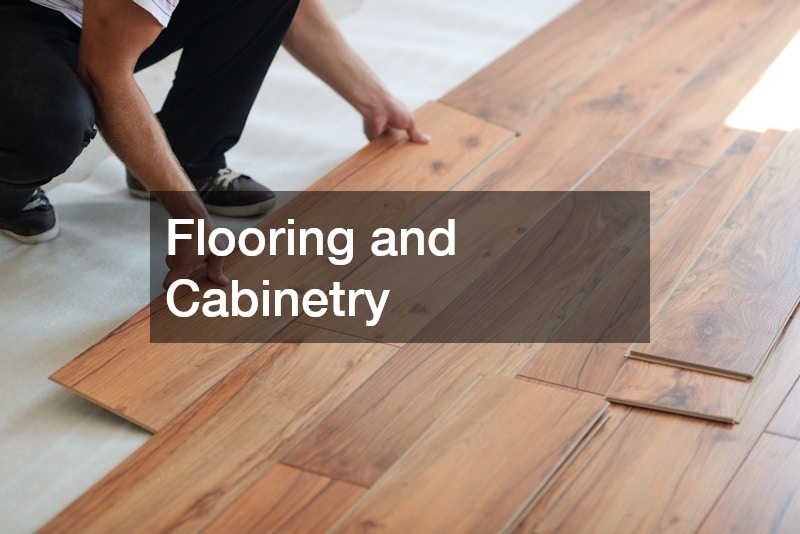
With rough construction complete, the hardwood flooring service and kitchen and bath remodelers begin installing floors, cabinets, and countertops. These finishing touches define the style and comfort of your home. The selection of high-quality materials is crucial to achieving the desired aesthetic. Whether you prefer the warmth of classic oak or the modern look of sleek laminate, each choice impacts the overall ambiance. Skilled artisans ensure that every detail—from the smoothness of the flooring to the precise alignment of cabinets—is meticulously executed. This phase transforms bare rooms into inviting spaces, where family gatherings and personal retreats take shape, reflecting your unique taste and lifestyle.
Exterior Finishes
The residential siding company specializes in installing various types of siding, trim, and intricate exterior details, ensuring each home stands out while receiving the protection it needs from the elements. They offer a range of siding materials, including vinyl, wood, and fiber cement, so homeowners can choose the option that best aligns with their desired aesthetic and budget. In addition to the siding, the company pays close attention to the trim, creating a polished look that adds character and enhances the home’s overall design. Complementing these features, a carefully selected array of windows and doors not only provides essential natural light but also boosts energy efficiency, helping to maintain comfortable indoor temperatures year-round. Moreover, the roofing options available play a crucial role in safeguarding the home from environmental factors while contributing to its visual appeal. Together, these elements form a cohesive exterior that balances functionality and style, significantly increasing the property’s curb appeal and value.
Step 6: Final Inspections and Walkthrough
Before moving in, your custom home builders will conduct a thorough inspection to ensure all work meets building codes and your expectations. You’ll also do a walkthrough to verify finishes, fixtures, and systems.
Addressing minor adjustments at this stage ensures your home is ready for a smooth, comfortable move-in.
Step 7: Maintenance and Long-Term Care
Your new home requires ongoing care to maintain its beauty and functionality:
- Routine cleaning and care of hardwood flooring service installations
- Periodic updates to kitchens and bathrooms with your kitchen and bath remodeler or bathroom remodeling company
- Inspection and upkeep of siding installed by your residential siding company
By planning for long-term maintenance, you protect your investment and preserve the home’s value.
Tips for a Smooth Building Experience
- Communication is key: Regular updates from your custom home builders keep you informed.
- Document everything: Contracts, warranties, and specifications should be clearly recorded.
- Stay flexible: While planning is essential, minor adjustments are often needed during construction.
- Prioritize quality over speed: High-quality contractors and materials ensure your home lasts for decades.
Benefits of Working With Experienced Custom Home Builders
Experienced custom home builders provide invaluable expertise:
- Streamlined project management
- Access to skilled subcontractors, such as hardwood flooring services and bathroom remodeling companies
- Insight into cost-effective design and construction decisions
- Assurance that your dream home reflects your lifestyle and vision
Your Dream Home Awaits

Building your dream home is a major undertaking, but with the right team, it becomes an exciting journey. From the planning stages to selecting a modular home or fully custom build, collaborating with custom home builders, hardwood flooring service specialists, kitchen and bath remodelers, and a residential siding company ensures a seamless experience.
Your dream home in Fort Mill, SC—or anywhere—can become a reality with careful planning, quality materials, and skilled professionals. Partner with a trusted custom home builder today and turn your vision into a beautiful, functional, and enduring home.