




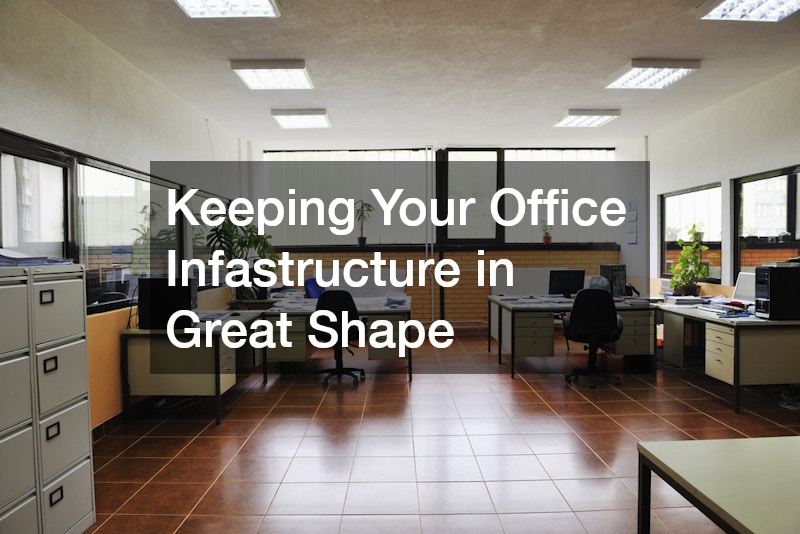
A well-maintained office infrastructure is essential for the smooth operation of any modern business. From technology and networks to furniture and facilities, every component plays a critical role in ensuring productivity, employee satisfaction, and operational efficiency. Neglecting infrastructure can lead to inefficiencies, downtime, and even security risks, while a well-planned and maintained environment supports growth, adaptability, and long-term success. In this article, we will explore what office infrastructure entails, how to assess it, technologies to keep it up-to-date, and strategies to optimize every aspect of your workspace.
What is Office Infrastructure?
Definition and Components
Office infrastructure refers to the combination of physical, technological, and organizational systems that allow a business to function effectively. Key components include office furniture, computers, network equipment, servers, electrical systems, lighting, and plumbing. Essential services such as commercial cleaning company contracts, janitorial supply company resources, and access to reliable local plumbers also fall under this umbrella. Even smaller elements like locks maintained by a locksmith company or electrical panel upgrades are part of the infrastructure, as they contribute to the overall safety and efficiency of a workplace.
Importance in Modern Business
Modern businesses rely on office infrastructure to support daily operations. Reliable IT systems, ergonomic office furniture, secure locks, and well-maintained plumbing all enable employees to focus on their work without unnecessary interruptions. Companies that invest in infrastructure gain a competitive advantage, as they can operate efficiently, accommodate growth, and maintain a safer and more comfortable environment for staff. Proper infrastructure also ensures that businesses can meet regulatory requirements, manage risks, and deliver a consistent client experience.
Common Challenges
Maintaining office infrastructure comes with several challenges. Aging office furniture or outdated networking equipment can slow productivity, while inefficient layouts or underpowered electrical panels can create safety hazards. Companies also face the challenge of integrating modern technology, such as cloud computing or AI-driven tools, into existing systems. Additionally, managing vendor relationships with commercial roofers, asphalt businesses, or local plumbers can be complex but is critical to sustaining the physical integrity of the workspace.
Trends in Office Infrastructure
Office infrastructure trends reflect changes in workplace culture and technology. Open office layouts and flexible workstations are increasingly popular, promoting collaboration while maintaining efficiency. Technology trends include cloud-based solutions, IoT integration, and automation, which can streamline operations and improve workflow. Sustainable and energy-efficient practices are also growing, encouraging the use of products and services that reduce environmental impact. Companies now partner with a brand design agency to create workspaces that reflect their identity, integrating aesthetics and functionality seamlessly.
Evaluating Existing Infrastructure
Evaluating existing office infrastructure involves assessing both physical and technological systems. Businesses should examine office furniture, network reliability, plumbing systems, locks, electrical panels, and roofing conditions. Commercial cleaning companies and janitorial supply company services should be reviewed to ensure hygiene standards are consistently met. Evaluating existing infrastructure provides a roadmap for upgrades, ensuring the workplace can support current operations and future growth.
How to Assess Your Current Office Infrastructure?
Conducting an Audit
A thorough audit is the first step in assessing office infrastructure. This includes taking inventory of all assets, from office furniture and network equipment to plumbing systems installed by a local plumber and roofing maintained by commercial roofers. It is important to check the condition of electrical panels, locks, and any recent construction work related to new construction plumbing or electrical upgrades. Documenting these details ensures there is a clear record of what requires attention, replacement, or improvement.
Identifying Weak Points
After the audit, identifying weak points is essential. Slow network connectivity, outdated office furniture, leaks from old plumbing, or worn locks can all compromise efficiency and safety. Weaknesses in roofing, electrical systems, or asphalt business-maintained parking areas should also be addressed. Early identification allows businesses to prioritize improvements and allocate resources effectively.
Tools for Assessment
Several tools can help assess office infrastructure. Asset management software can track furniture, equipment, and IT resources. Network monitoring tools evaluate connectivity and system performance, while inspections by specialists like local plumbers, locksmith companies, and commercial roofers help identify physical vulnerabilities. Incorporating feedback from employees ensures that usability and comfort are also evaluated.
Setting Assessment Criteria
Setting clear criteria ensures a structured assessment process. Criteria may include performance, safety, compliance, efficiency, and employee satisfaction. Businesses may also include sustainability factors, such as energy-efficient lighting or plumbing fixtures, and hygiene standards maintained by a commercial cleaning company or janitorial supply company. Establishing benchmarks helps track progress over time and ensures investments in office infrastructure yield measurable benefits.
Regular Evaluation Practices
Maintaining office infrastructure is an ongoing process. Regular evaluations prevent small issues from becoming costly problems. Companies should schedule routine checks of office furniture, plumbing systems, electrical panels, and security systems maintained by a locksmith company. Coordination with vendors such as commercial roofers or asphalt businesses for preventive maintenance also ensures the longevity and reliability of key infrastructure components.
What Technologies Keep Your Office Infrastructure Up-to-date?
Emerging Technologies
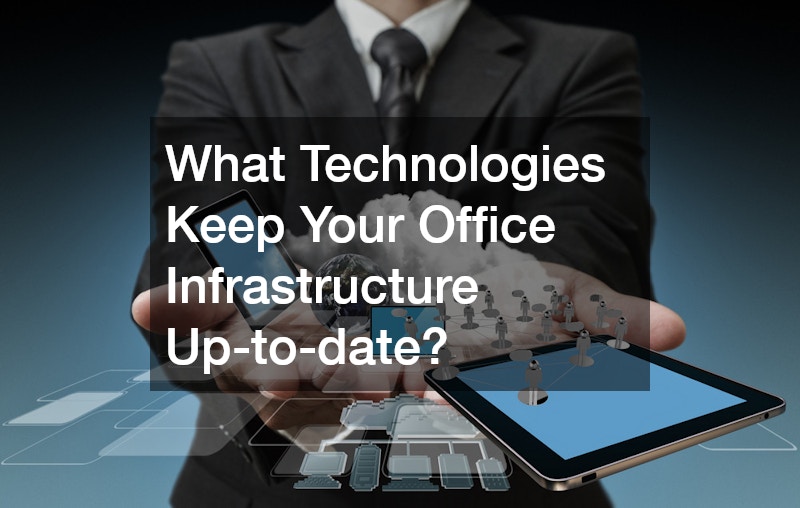
Emerging technologies offer solutions that increase efficiency, improve security, and enhance comfort. Modern office furniture can be integrated with sensors for ergonomic feedback, while smart lighting systems reduce energy consumption. IoT-enabled devices, AI-powered management tools, and cloud-based platforms streamline operations, improve communication, and enhance data accessibility.
IoT in Office Management
IoT (Internet of Things) devices are transforming how offices are managed. Connected devices can monitor energy usage, track occupancy for efficient space utilization, and detect leaks or temperature anomalies. Smart sensors can alert building managers to issues in real time, reducing downtime and maintenance costs. These devices complement traditional infrastructure, including plumbing services provided by a local plumber and electrical panel upgrades.
Cloud-Based Solutions
Cloud computing enables businesses to store data securely, manage software applications remotely, and collaborate seamlessly across locations. Cloud-based solutions reduce the need for on-site servers, making IT management more efficient. This is particularly beneficial when paired with effective IT support, ensuring data accessibility and protection while freeing physical space for essential office infrastructure like furniture or collaborative work areas.
Cybersecurity Measures
Maintaining cybersecurity is crucial for modern offices. Protecting sensitive information requires robust software, firewalls, and regular updates. Integrating cybersecurity measures with physical infrastructure, such as secure locks and restricted access areas, ensures that both digital and physical assets are protected. Proper training for staff and IT teams further strengthens security protocols.
Automation and AI
Automation and AI help optimize office operations, from scheduling and inventory management to customer service and internal workflows. AI-powered tools can analyze data, detect patterns, and provide insights for better decision-making. Automation reduces repetitive tasks, allowing staff to focus on higher-value activities. Coupled with sustainable practices, automation can reduce energy consumption and streamline maintenance scheduling for vendors like commercial roofers or local plumbers.
How to Optimize Network Connectivity?
Importance of High-Speed Internet
High-speed internet is essential for communication, cloud access, and remote collaboration. Slow or unreliable connectivity can significantly reduce productivity. Ensuring sufficient bandwidth, redundancy, and modern networking equipment allows employees to work efficiently and reduces frustration.
Setting up a Stable Network
A stable network requires proper planning, installation, and maintenance. Structured cabling, regular monitoring, and equipment upgrades ensure consistent performance. Wired connections are ideal for high-demand devices, while wireless networks provide flexibility for laptops, mobile devices, and collaborative spaces.
Dealing with Connectivity Issues
Identifying and resolving connectivity issues promptly is critical. Troubleshooting may involve testing routers, switches, and network cables, or consulting IT specialists. Frequent issues can indicate the need for equipment replacement or a network redesign, ensuring minimal downtime for daily operations.
Upgrading Network Equipment
Regularly upgrading routers, switches, and access points ensures that the network can handle evolving demands. Businesses should plan for scalable solutions that accommodate growth and increased device usage. Coordinating with IT support teams allows seamless integration of new equipment with existing infrastructure.
Wireless vs. Wired Connection
Choosing between wireless and wired networks depends on office layout, workflow requirements, and device usage. Wired connections offer faster speeds and reliability, while wireless networks provide flexibility and mobility. A combination of both often provides the best balance, ensuring that employees can work efficiently in all areas of the office.
What Role Does Office Layout Play?
Open vs. Closed Office Design
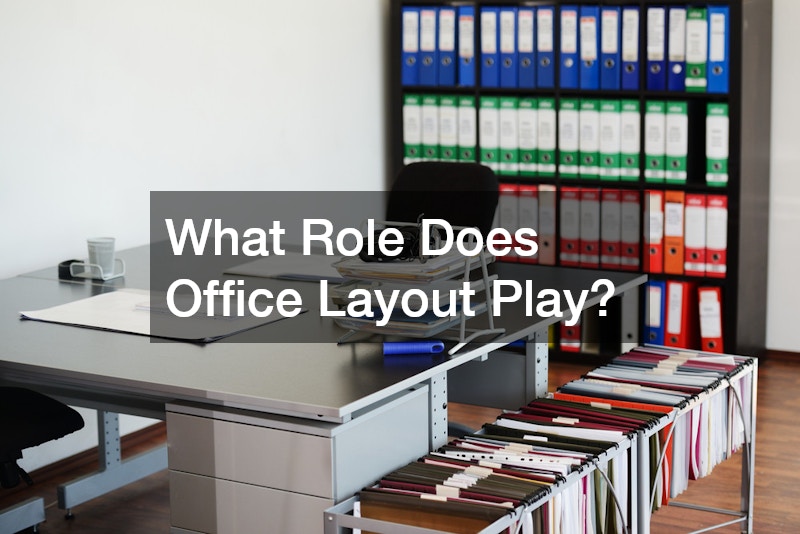
Office layout directly affects collaboration, privacy, and workflow. Open layouts encourage communication and teamwork, while closed designs provide privacy and minimize distractions. Balancing these approaches can create an environment that supports different work styles.
Ergonomics in Furniture
Ergonomic office furniture reduces physical strain and improves comfort. Adjustable chairs, sit-stand desks, and supportive accessories prevent musculoskeletal issues and boost productivity. Investments in high-quality office furniture demonstrate care for employee well-being and long-term satisfaction.
Impact on Productivity
The physical layout of an office affects productivity. Efficient use of space, clear walkways, and well-organized areas minimize distractions and reduce wasted time. Integrating collaborative spaces, quiet zones, and ergonomic furniture enhances both individual and team performance.
Flexibility and Adaptability
Modern offices require flexibility to accommodate changing teams, hybrid work models, and evolving business needs. Modular furniture and reconfigurable workstations allow offices to adapt without major renovations. Such flexibility also supports vendor visits, maintenance work from commercial roofers, and new construction plumbing installations.
Space-Saving Solutions
Space-saving solutions optimize the office footprint while maintaining functionality. Multi-purpose furniture, vertical storage, and efficient layouts create a more open and organized environment. This approach reduces clutter and allows easier maintenance of essential infrastructure.
How to Integrate Sustainable Practices?
Benefits of Going Green
Sustainable practices reduce operational costs, enhance brand reputation, and contribute to environmental responsibility. Businesses can benefit from energy savings, improved employee morale, and compliance with green building standards.
Energy-Efficient Solutions
Energy-efficient solutions include LED lighting, smart thermostats, low-flow plumbing fixtures, and energy-saving office equipment. Electrical panel upgrades may be necessary to support these improvements. Integrating these solutions reduces energy consumption and long-term utility costs.
Reducing Carbon Footprint
Reducing a business’s carbon footprint involves using renewable energy, sustainable materials, and efficient waste management practices. Even partnerships with vendors such as asphalt businesses can consider eco-friendly paving materials and techniques.
Sustainable Supplies and Practices
Using sustainable office supplies from a janitorial supply company and implementing eco-conscious cleaning practices with a commercial cleaning company further enhance environmental responsibility. These practices support employee engagement and foster a culture of sustainability.
Employee Engagement in Sustainability
Employees play a key role in sustainability. Encouraging participation in energy-saving programs, recycling initiatives, and responsible usage of office resources ensures that sustainability is integrated into daily operations.
How Crucial is Data Management?
Data Storage Solutions
Data storage solutions include cloud-based platforms, local servers, and secure backups. Efficient storage systems ensure information is accessible, secure, and organized. Integrating reliable IT infrastructure minimizes downtime and supports business continuity.
Importance of Data Security
Data security protects sensitive information from cyber threats and breaches. Strong passwords, firewalls, encryption, and restricted access areas maintained by locksmith companies strengthen overall security protocols.
Data Backup Strategies
Regular data backups safeguard critical business information. Cloud backups, off-site storage, and automated systems ensure rapid recovery in case of data loss, supporting continuity and minimizing disruption.
Data Accessibility and Privacy
Ensuring the right level of accessibility while maintaining privacy is essential. Access control systems, secure networks, and IT policies allow authorized personnel to access necessary data without compromising security.
Role in Business Decision Making
Effective data management supports informed decision-making. Access to accurate, timely information enables leaders to analyze trends, monitor performance, and implement strategies that improve efficiency and profitability.
How to Manage IT Support Effectively?
Setting Up IT Support Systems
Effective IT support ensures that technology issues are resolved quickly and efficiently. Implementing helpdesk systems, ticket tracking, and proactive monitoring improves response times and minimizes downtime.
In-house vs. Outsourced IT Support
Companies may choose between in-house IT teams or outsourced providers. In-house teams offer familiarity with internal systems, while outsourced IT support provides specialized expertise and scalability.
Tackling Common IT Issues
Common IT issues include network disruptions, software glitches, and hardware failures. Regular maintenance, updates, and monitoring reduce the occurrence of these problems.
Training for IT Staff
Continuous training ensures IT staff remain knowledgeable about emerging technologies, cybersecurity threats, and troubleshooting techniques. Trained staff can implement upgrades and support innovations such as IoT devices and cloud solutions.
Keeping Infrastructure Updated
Regular updates to software, hardware, office furniture, and facility systems maintain efficiency and reduce risks. Coordination with vendors like commercial roofers, local plumbers, and janitorial supply companies ensures all aspects of office infrastructure remain operational.
What are the Best Practices for Equipment Maintenance?
Routine Equipment Checks
Routine equipment checks, including plumbing inspections, electrical panel evaluations, and furniture maintenance, prevent small issues from becoming major problems. Scheduled checks increase reliability and extend the lifespan of critical assets.
Extending Equipment Lifespan
Proper usage, timely repairs, and preventive maintenance extend the lifespan of office furniture, IT equipment, and facility systems. Regular attention reduces replacement costs and ensures consistent performance.
Troubleshooting Common Issues
Quick identification and resolution of common problems, such as leaks, software errors, or connectivity disruptions, minimize downtime. A proactive approach ensures minimal disruption to operations.
Equipment Replacement Strategies
Planning for equipment replacement avoids sudden failures. Businesses should prioritize upgrades based on condition, efficiency, and operational impact, integrating new furniture, plumbing fixtures, or networking equipment as needed.
Vendor Maintenance Agreements
Partnerships with vendors, such as commercial roofers, locksmith companies, local plumbers, and janitorial supply companies, provide access to professional maintenance services. Formal agreements ensure timely support and predictable costs.
How to Foster a Culture of Continuous Improvement?
Encouraging Feedback
Feedback from employees highlights inefficiencies, safety concerns, or opportunities for innovation. Encouraging open communication ensures that infrastructure improvements align with workplace needs.
Implementing an Innovation Process
A structured innovation process allows staff to propose solutions, test ideas, and implement improvements. This approach fosters creativity while ensuring practical enhancements to office systems.
Continuous Learning Programs
Ongoing training in technology, safety, and sustainability ensures employees remain engaged and competent. Learning programs increase productivity and support the adoption of new office infrastructure solutions.
Aligning Goals with Performance
Aligning organizational goals with employee performance ensures that improvements in office infrastructure support broader business objectives. Measurement systems track progress and highlight areas for enhancement.
Celebrating Improvements and Milestones
Recognizing achievements encourages a culture of continuous improvement. Celebrating successful upgrades, efficiency gains, and sustainability milestones motivates staff to maintain high standards and participate in ongoing development initiatives.
Final Thoughts
Maintaining a strong office infrastructure requires attention to technology, physical spaces, safety, and sustainability. From office furniture and electrical panel upgrades to data management and partnerships with vendors like commercial roofers, locksmith companies, and local plumbers, every component plays a vital role. Regular audits, assessments, and upgrades, combined with sustainable practices and a culture of continuous improvement, ensure a productive, safe, and future-ready workplace. By prioritizing office infrastructure, businesses can optimize operations, enhance employee satisfaction, and support long-term success in an ever-evolving work environment.